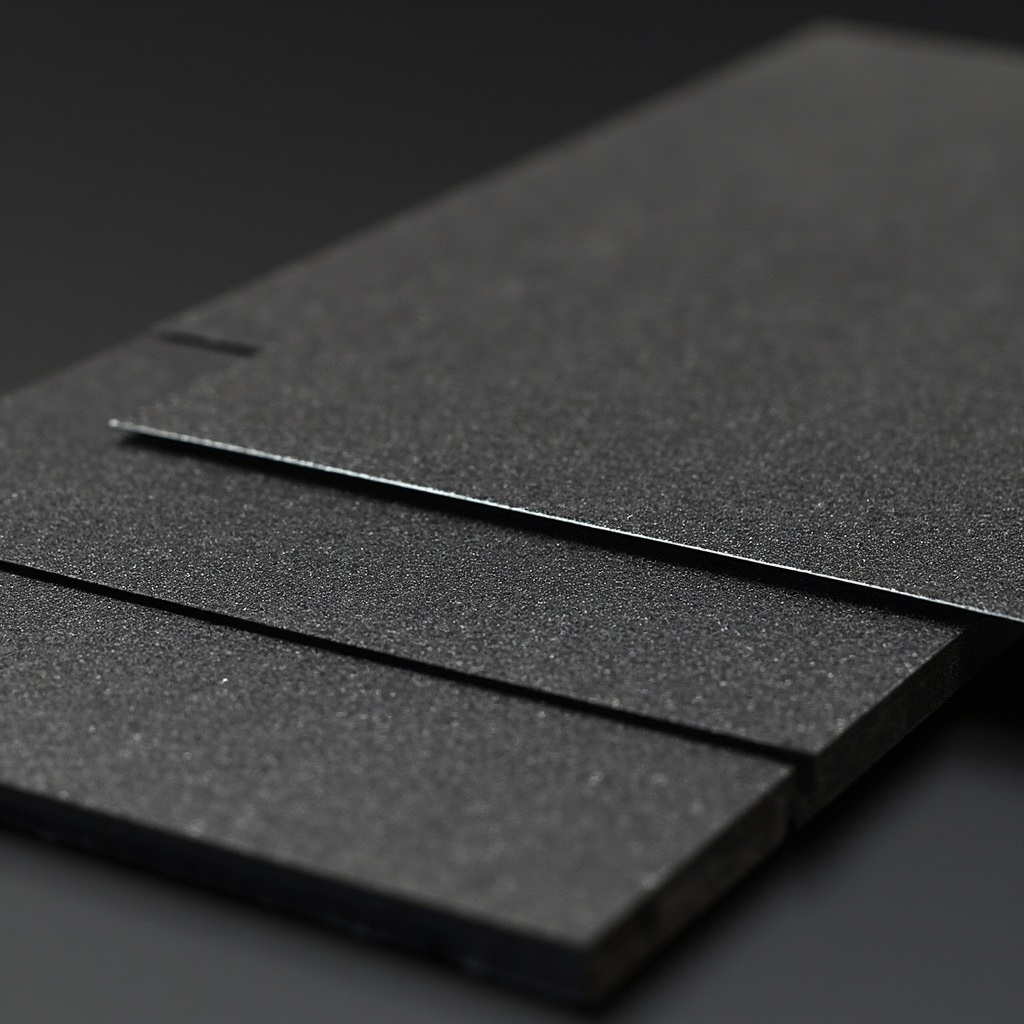
 If you think the future of fuel cells is just about chemistry, you are missing the real bottleneck: the plate. For years, the industry has wrestled with brittle graphite that cracks under pressure or expensive metal plates that corrode under humidity. The solution is not a new material—it is a smarter way to treat an old one. The fabrication of flexible graphite bipolar plates via Flake Graphite pre-treatment is rewriting the rulebook, and it is about time.
Here is the dirty secret most manufacturers do not want to admit: untreated flake graphite is like raw lumber. It has potential, but it splinters, it leaks, and it fails under thermal cycling. The pre-treatment process changes everything. By chemically expanding and mechanically exfoliating the flake structure before compression, we unlock a material that bends without breaking, conducts electricity like a copper wire, and seals tighter than a bank vault. This is not incremental improvement; it is a leap from fragile to flexible.
Why does this matter for your bottom line? Because a flexible bipolar plate means you can drop the thickness without dropping performance. Traditional rigid graphite plates require a certain thickness just to survive assembly. With pre-treated flake graphite, you cut that thickness by nearly half. That is less material cost, lighter stacks, and higher power density. In a market where every gram and every penny counts, that is the difference between a prototype and a production run.
The pre-treatment itself is deceptively simple. We take raw flake graphite, subject it to an intercalation step that forces open the layered structure, then rapidly expand it under controlled heat. The result is a worm-like morphology that compresses into a dense, isotropic sheet with zero preferential orientation. No more weak points. No more delamination after 5,000 hours. The electrical conductivity hits 200 S/cm, and the gas permeability drops below 10⁻⁶ cm³/cm²·s. Those numbers are not just specs; they are a promise of reliability.
Let us talk about the competition. Metal plates? They need expensive coatings to survive acidic environments, and even then, corrosion is a ticking clock. Conventional graphite plates? They machine poorly, crack during thermal cycling, and require thick sections to maintain structural integrity. The flexible graphite plate from pre-treated flake eliminates all of these headaches. It is corrosion-resistant by nature, not by coating. It is formable into complex flow fields without secondary machining. And it handles the thermal shock of startup-shutdown cycles like a champ.
The real kicker is scalability. This process does not require cleanroom conditions or exotic equipment. Standard chemical baths, a thermal expansion furnace, and a hydraulic press are all you need. We have seen pilot lines go from concept to continuous production in under six months. The pre-treatment chemistry is water-based, the expansion step is energy-efficient, and the final compaction yields zero waste. If you are looking for a green manufacturing story that actually holds water, this is it.
Here is the takeaway: stop fighting with brittle plates. The fabrication of flexible graphite bipolar plates via flake graphite pre-treatment is not a lab curiosity—it is a production-ready technology that slashes cost, boosts performance, and simplifies assembly. The fuel cell industry has been waiting for a plate that bends without breaking. The wait is over.