Category: Home
Apr 08, 2026 Home
How Professional Window Cleaning Changes the Way Natural Light Feels Inside Your Home
Clean windows don’t just make your house look “neater.” They change the light itself.
When the glass is properly cleaned, daylight stops feeling filtered and starts feeling direct, more accurate, more dimensional. Colors get their bite back. Shadows soften instead of smearing. And the window, weirdly enough, feels like it disappears.
One-line truth: dirty glass is basically a dull lighting fixture you can’t turn off.
The “Invisible Glass” Effect (and why it messes with your mood)
You know that moment when you wipe a mirror and suddenly the room looks sharper? Windows do that, but bigger, and the brain notices.
Here’s what’s happening in plain terms: grime, pollen, mineral spots, and everyday film scatter incoming light. Not dramatically, not like a blanket over a lamp. More like a constant low-grade haze. The result is a room that feels slightly flatter than it should.
After a pro clean, light lands with clearer edges. Your eye reads that as “more open space,” even if nothing else changed. I’ve seen small living rooms feel a half-step larger just because the windows stopped diffusing the sun. That’s one reason homeowners often turn to professional window cleaning in Hickory when their space starts to feel dim or closed in.
Now, this won’t apply to everyone, but… if you’re sensitive to lighting (migraines, seasonal mood dips, general “why does this room feel dull?”), the difference can be surprisingly emotional.
Light optimization, the technical version (quick but real)
Professional window cleaning helps because it removes the stuff that disrupts transmission:
– Surface particulates: dust, soot, pollen
– Oily films: cooking residue, off-gassing from cleaners, fingerprints
– Mineral deposits: sprinkler overspray, hard-water spotting
– Oxidation residue: especially on older frames or nearby painted trim
All of that reduces clarity by increasing scatter and glare bloom, meaning the light still comes in, but it spreads in unhelpful directions and washes out contrast. Cleaner glass improves contrast, and contrast is what makes a room feel crisp.
A stat, since people always ask: one study on daylighting found that indoor environmental quality (including access to daylight) is linked to measurable gains in perceived well-being and performance. The frequently cited field research is the Heschong Mahone Group daylighting studies (e.g., their reports on daylight and human performance in schools and offices). Not a “window cleaning” paper, no, but it backs up the bigger point: better daylight isn’t just aesthetic.

Hot take: Streaks are worse than dirt
Dirt is honest. Streaks are chaotic.
A streak-free finish matters because streaks create micro-reflections that your eye catches as movement, especially in late afternoon sun when light comes in at an angle. Even tiny soap trails can turn a warm glow into a smeary glare.
Here’s the thing: most streaks aren’t from “bad effort.” They’re from the wrong chemistry and the wrong finishing technique.
What pros typically do differently:
– Use purified water (deionized or reverse osmosis) when appropriate to reduce spotting
– Control soap concentration so it lifts oils without leaving residue
– Detail the edges (where gunk loves to hide) with lint-free cloths
– Work to conditions: sun exposure, wind, glass temperature, yes, it matters
If you’ve ever cleaned a window in full sun and watched it dry into a striped mess, you already understand.
Glass is only half the job: frames and sills decide how “bright” feels
A clean pane with dusty sills is like wearing a crisp shirt with muddy shoes. The room still reads off.
When frames and sills are cleaned properly, the bright zone around the window expands. That’s not poetic; it’s visual perception. The eye uses edges to define objects. If the perimeter is grimy, the window looks heavier and the light feels boxed in.
Treat it as one surface (glass + frame + sill)
If you want the “light flows” effect, don’t isolate the glass. Professionals usually clean in a sequence that prevents drip-back and dust rebound, glass first, detailing second, sills last (though methods vary).
Watch for:
– Frame discoloration (often oxidation or embedded dirt)
– Paint chafe and flaking on sills (light catches texture, even if you don’t)
– Warping or softness in wood sills (a durability issue, not just looks)
In my experience, the biggest “wow” reactions come from people who didn’t realize how much the surround was muting the window.
Seasonal light makes dirty windows look worse (and clean windows look unreal)
Winter sun is lower, so it hits glass at a sharper angle. That’s why you suddenly notice every spot you ignored in October. Summer light is higher and more direct, which can make film look like a gray veil across the view.
Some quick seasonal realities:
– Spring: pollen + rain = speckled haze
– Summer: sprinkler spots and hard-water deposits get aggressive
– Fall: dust and debris settle in tracks and corners
– Winter: condensation and low-angle sun expose streaks fast
The same window can look “fine” in July and unforgivable in January. Light changes. Glass doesn’t forgive.
What about tinting and solar screens? Good tool, easy to misuse
Window tint and solar screens can be fantastic, when they’re chosen to shape light, not choke it.
A quality film can cut harsh glare and UV without turning your living room into a dim aquarium. A bad film (or the wrong visible light transmission rating) can flatten daylight so much that you start compensating with lamps at noon.
Look, if your main problem is glare on a TV, tinting might be the right move. If your main goal is that airy “bright but soft” interior, cleaning first usually gives you the baseline you need to decide.
(And yes, clean glass makes tint look better too. Film applied over dirty or mineral-spotted windows is just sadness sealed in place.)
Keeping the brightness between professional cleanings (realistic, not obsessive)
You don’t need to baby your windows. You just need to stop them from backsliding.
A simple rhythm works:
– Quick touch-ups: fingerprints and nose art (pets, kids) on the inside glass
– Sill wipes: dry microfiber once a week if dust is heavy
– HVAC filters: swap every 1, 3 months depending on pets, allergies, and construction dust
– Vent dusting: keeps airborne debris from resettling on glass
If you do only one thing, do the sills. Dust there gets kicked back into the air every time you open and close windows or brush past curtains.
Choosing a window cleaning service (the light-obsessed checklist)
Some crews clean windows. Some crews clean windows for daylight.
When you’re comparing services, ask how they handle:
– Hard-water spotting: do they remove mineral deposits or just wash around them?
– Detail work: are edges, tracks, and sills included, or “add-ons”?
– Drying method: squeegee technique, towel choice, purified water systems
– Finish protection: how they avoid scratching glass or scuffing frames
– Expectations: do they do a post-walkthrough and fix misses on the spot?
A good service will talk about process, not just price. If they sound annoyed by questions, that’s your answer.
The after-effect nobody talks about
Once the windows are clean, you start arranging your life around the light again.
You sit in the chair that used to feel too dim. You notice the actual color of your walls. The room feels calmer, less visually noisy, because your eyes aren’t constantly correcting for haze.
That’s what professional window cleaning really buys you: truer daylight. The kind that makes your home feel awake.
Mar 31, 2026 Home
What a Professional Pressure Washing Job Actually Includes (and what that “cheap quote” usually doesn’t)
Hot take: if someone can “pressure wash your whole house” for the price of a nice dinner, you’re not buying efficiency. You’re buying shortcuts.
And look, I’m not anti-budget. I *am* anti-mystery-meat services. Pressure washing is one of those trades where the damage often shows up later: flaking paint, striped concrete, fried plants, water behind siding, oxidized vinyl that suddenly looks worse than before.
A professional job costs more because it includes the boring stuff that prevents headaches.
A cheap quote often skips that boring stuff.
One of those is going to feel expensive in the end.
The real difference: process, not pressure
Most homeowners think the difference is equipment. Some of it is. But the bigger gap is process.
A professional is running a repeatable system: inspection, prep, surface-appropriate cleaning, containment, rinse strategy, post-care. It’s not glamorous, but it’s how you get a clean surface without turning your siding into a science experiment. And if you’re wondering what is the best time of year for exterior cleaning in Vancouver?, timing is just as important as technique.
The cheap operator? Frequently it’s: arrive, blast, leave. No testing. No documentation. No plan for runoff. No accountability when your caulk line starts leaking next week.
What a pro actually does before spraying anything

This part is the least visible, so it gets undervalued. It’s also where many problems are prevented.
A competent crew will walk the property and *look closely* at what they’re about to hit with water and chemical:
– failing paint, chalky oxidation, loose mortar, soft wood
– open gaps around windows and penetrations
– pre-existing cracks in concrete that will “light up” after cleaning
– delicate landscaping and where runoff will naturally go
In my experience, the walkthrough tells you more about a contractor than their truck does. If they don’t ask questions, they’re not thinking about outcomes.
One-line emphasis, because it’s true:
You can’t price a job correctly if you haven’t inspected the surfaces.
Prep isn’t optional (even if you’re in a hurry)
Now, this won’t apply to everyone, but if your home has landscaping you care about, exterior outlets, or older window seals, prep is the whole game.
Pros typically handle things like:
Protection and staging
– tarp or plastic shielding where overspray would cause damage
– covering outlets, door hardware, cameras, and delicate fixtures
– moving furniture and brittle decor out of splash zones
– setting a cleaning sequence so dirty runoff doesn’t ruin finished areas
Pre-wet + controlled rinse
Plants get pre-watered so they don’t drink detergent like it’s lemonade (they will). Surfaces often get a light pre-rinse too, which helps the cleaner spread more evenly and reduces streaking.
And yes, this slows the start of the job. That’s the point.
Equipment quality: it shows up as consistency
Here’s the thing: most machines can create “high PSI.” That’s not impressive. What matters is control.
A professional setup usually means stable flow, predictable pressure, proper nozzles, and the ability to switch between soft wash and higher-pressure rinsing without improvising. Good hoses and fittings matter more than people think, because leaks and pressure fluctuations are what create striping and tiger marks.
Also, better gear often means the job is *quieter and faster* (less time hammering one spot trying to force stains off).
Soft washing vs. blasting: the part cheap quotes get wrong
Question: do you want the growth removed… or just shredded off the surface?
Mold and algae aren’t “dirt.” They’re organisms. You typically kill them with chemistry, not brute force.
So on siding and many roofs, a pro leans into soft washing: lower pressure, appropriate cleaner, correct dwell time, then rinse. Cheap bids often substitute dwell time with raw pressure. That’s when you see etched wood, damaged screens, and vinyl that looks permanently dull.
I’ve seen brand-new-looking siding ruined in under 30 minutes by someone who thought “more PSI = better.”
Chemical use: pros treat it like a procedure, not a guess
A trained operator isn’t freelancing chemical ratios. They’re thinking in terms of dilution, surface compatibility, wind drift, dwell time, and plant protection. They’ll also avoid spraying into HVAC intakes and sensitive vents (which, shockingly, isn’t universal behavior).
Eco-friendly products get discussed a lot. Reality is messier: “safe” is contextual. The real professional move is using the minimum effective strength, controlling where it goes, and rinsing intelligently.
Site safety isn’t just about the workers
You’ll hear about PPE and training, but homeowner safety matters too. A professional crew typically controls access:
– keeping kids/pets away from work zones
– managing hose placement to prevent trips
– avoiding spray near open windows, attic vents, and door thresholds
– checking for electrical hazards before water starts flying
It’s not dramatic until it’s dramatic.
Landscaping protection: not just throwing a tarp over things
Covering plants can actually *cook* them if done wrong on a hot day. So pros will often pre-wet, shield selectively, and rinse plants again after detergent use.
They also think about runoff paths. Where does the water go? Flowerbeds? Storm drain? Neighbor’s driveway?
Cheap quotes rarely price the time it takes to do that responsibly, so… they don’t.
Responsible runoff and waste handling (the unsexy differentiator)
This is where the “low price” can get weird.
If there’s oil, heavy algae, rust treatment, or degreaser involved, you’re generating contaminated runoff. A reputable operator will contain, divert, absorb, or collect as needed, based on local rules and the specific contaminant.
Not every job requires full recovery. Some do.
And when it does, the price should reflect it.
A quick data point: the U.S. EPA notes that stormwater runoff is a major cause of water pollution in the United States, because it can carry chemicals, oil, and other pollutants into waterways (EPA, Stormwater Runoff: https://www.epa.gov/nps/what-nonpoint-source). That’s why “it’ll just wash away” isn’t a plan.
Customized cleaning: concrete isn’t wood, and wood isn’t brick
One-size-fits-all is how you get:
– etched concrete
– furred-up wood grain
– damaged mortar joints
– zebra-striped composite decking
– oxidized vinyl that won’t come back
Pros adjust pressure, nozzle type, chemical choice, agitation method, dwell time, and rinse strategy based on surface material *and condition*. Even the same material can vary wildly depending on age, sun exposure, and previous coatings.
That’s not upselling. That’s competence.
Post-cleaning care: a pro doesn’t disappear at the rinse
A good contractor will tell you what to expect after:
Paint might reveal weak spots. Efflorescence can return. Some stains lighten but don’t vanish in one pass without aggressive treatment. You should also get guidance on maintenance frequency, especially for shaded areas that regrow algae fast.
Sometimes they’ll recommend sealing concrete or re-coating wood once it’s fully dry (not same day, and not rushed).
Cheap operators tend to leave you with one sentence: “All good.”
The sneaky stuff: hidden costs in “cheap” quotes
Look for vague words. They’re where fees hide.
If a quote says “prep included,” ask what that means. Tarping? Moving furniture? Pre-wetting plants? Masking outlets? Rust treatment? Disposal?
Here are common add-ons that appear after the job “starts”:
– travel/time surcharges
– “extra chemical” fees
– heavy growth upcharge (even when visible in photos)
– stain removal billed per spot
– “edge work” or “detail rinsing” charged hourly
If the quote isn’t itemized, you’re guessing. And the person writing it might be guessing too.
How I’d evaluate a quote (fast, but not lazy)
Ask for specifics. Not a speech.
- Scope: exactly what surfaces, how many sides, what exclusions
- Method: soft wash vs pressure wash per surface
- Protection: plants, outlets, windows, fixtures
- Runoff plan: where water goes, what happens with degreasers
- Guarantee: workmanship, touch-ups, timelines
- Insurance: liability + workers’ comp (if they have employees)
If they can’t answer clearly, that’s your answer.
Final thought, slightly opinionated
A cheap pressure washing quote usually assumes your property is indestructible.
A professional quote assumes your property is *valuable*.
That difference shows up in the prep, the chemistry, the rinse strategy, and the cleanup. And if you’ve ever paid to fix gouged wood or water intrusion behind siding, you already know which one was the bargain.
Mar 05, 2026 Home
Energy Saving Window Treatments Improving Home Efficiency
Creating an energy-efficient home begins with smart design choices, and energy saving window treatments play a powerful role in enhancing comfort while reducing utility costs. Modern window coverings are designed not only for style but also for performance, helping homeowners manage indoor temperatures naturally. By combining functionality with aesthetics, these treatments contribute to sustainable living and long-term savings.
Why Energy Efficient Window Treatments Matter
Windows are one of the primary sources of heat gain and heat loss in any home. Without proper insulation, indoor temperatures can fluctuate significantly, leading to increased reliance on heating and cooling systems. Energy saving window treatments help regulate this exchange, improving overall home efficiency.
Key benefits include:
- Reduced heat gain during warmer months
- Improved insulation during cooler seasons
- Lower energy consumption and utility bills
- Enhanced indoor comfort throughout the year
- Increased privacy without sacrificing natural light
By investing in energy efficient window coverings, homeowners can enjoy a balanced indoor environment while supporting eco-conscious living.

Types of Energy Saving Window Treatments
There are various window treatment options specifically designed to boost thermal performance. Each type offers unique advantages while contributing to energy efficiency.
Insulating Cellular Shades
- Designed with honeycomb-shaped pockets that trap air
- Provide excellent thermal insulation
- Maintain consistent indoor temperatures
Thermal Curtains and Drapes
- Crafted with multiple fabric layers
- Block drafts and reduce heat transfer
- Add a luxurious touch to interiors
Solar Control Shades
- Filter sunlight while reducing glare
- Minimize UV exposure to protect furniture
- Help maintain brightness without overheating
Layered Window Coverings
- Combine blinds with curtains or shades
- Enhance insulation through multiple barriers
- Offer flexible light and temperature control
Each option supports energy efficiency while elevating the overall look of living spaces.
Enhancing Comfort and Sustainability
Raambekleding contribute significantly to a comfortable indoor atmosphere. By minimizing temperature fluctuations, they create a more stable and pleasant environment for daily living. In addition to improving comfort, these window solutions also promote sustainable habits.
Positive environmental impacts include:
- Lower carbon footprint through reduced energy usage
- Decreased strain on heating and cooling systems
- Extended lifespan of HVAC equipment
- Responsible energy management for modern households
Homes that integrate energy efficient window coverings often experience noticeable improvements in both comfort and cost savings.
Smart Design for Modern Living
Today’s energy saving window treatments blend seamlessly with contemporary interiors. Available in a variety of textures, colors, and finishes, they complement architectural elements while delivering superior performance. Whether installed in living rooms, bedrooms, or office spaces, these solutions enhance both functionality and visual appeal.
Choosing high-quality, well-fitted window treatments ensures maximum insulation benefits. Professional measurement and proper installation further improve effectiveness, ensuring minimal gaps and optimal coverage.
A Brighter, More Efficient Future
Energy saving window treatments are a smart investment for homeowners seeking improved efficiency, enhanced comfort, and stylish interiors. By reducing heat transfer and optimizing natural light, these window solutions support a balanced, eco-friendly lifestyle. With the right combination of design and performance, any home can achieve greater energy efficiency while maintaining a warm and inviting atmosphere.
Jun 30, 2025 Home
Small Kitchen Appliance Placement Tips For Maximum Efficiency, Space, And Easy Cooking
Arranging small kitchen appliances effectively can transform even the tiniest kitchen into a functional, inviting space. The first step is to assess your cooking habits and prioritize the appliances you use daily. Keeping these items within easy reach on the counter can save time and reduce clutter. Less frequently used appliances should be stored in cabinets or on higher shelves, ensuring that prime countertop real estate is reserved for essentials that streamline everyday meal prep. Maximize corner spaces by placing appliances like coffee makers, toasters, or mixers into otherwise unused areas. This strategy keeps the main workspace open and makes use of awkward nooks that often become dumping grounds for random items. Installing corner shelves or compact appliance garages can also help hide small appliances when not in use, creating a cleaner look and a more organized feel overall. Vertical space is your ally in a small kitchen. Use wall-mounted racks or hooks to store smaller appliances, utensils, or even microwave ovens if they are lightweight and compact.
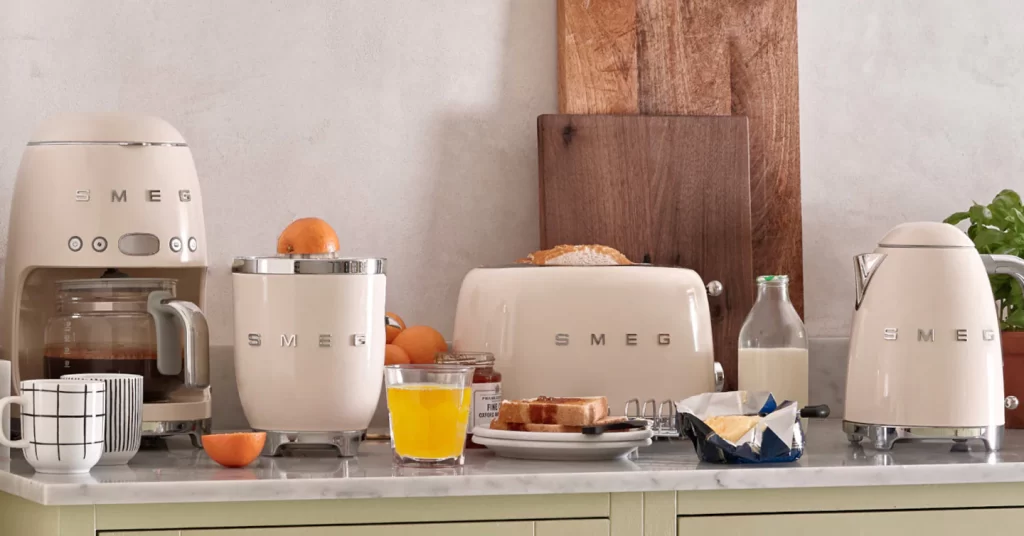
This frees up valuable counter space and makes the kitchen feel less crowded. Consider installing floating shelves above work areas to store blenders, food processors, or bread makers, allowing for easy access while keeping counters free for chopping and mixing. Group appliances by function to simplify cooking tasks. For example, keep baking-related appliances like mixers and scales together in one zone, while beverage appliances like kettles and coffee machines can share another area. This method creates logical stations and minimizes the need to move items around when switching between tasks, which is especially useful in tight kitchens where efficiency is key. Cords and plugs can quickly tangle and create cluttered surfaces. Use cord organizers or wrap cords neatly when appliances are not in use. Some homeowners also designate a specific drawer or bin for small appliance accessories, keeping blades, beaters, and attachments safely stored and easy to find. This reduces visual clutter and makes cleanup quicker, a crucial aspect of small kitchen management.
The small slimline chest freezer keeping only what you regularly use and storing it strategically, you create a kitchen that feels larger, functions smoothly, and supports a stress-free cooking routine every day. Efficient small kitchen appliance placement can significantly enhance both your space and cooking experience. Begin by evaluating your countertop layout and prioritize placing the most-used appliances like the toaster, blender, or coffee maker within easy reach. Reserve less-used items for cabinets or shelves to minimize clutter. Utilize vertical storage by adding wall-mounted shelves or hanging racks, which can hold lightweight items and free up valuable counter space. Grouping similar appliances together based on function, such as keeping baking tools near the oven, helps streamline meal prep. Consider corner placements or under-cabinet options for smaller appliances to utilize often-overlooked areas. Keep your electrical outlet layout in mind when deciding positions to avoid frequent unplugging or tangled cords. Appliances used during specific times like slow cookers or food processors—can be stored away and brought out as needed to maintain a tidy surface.
May 29, 2025 Home
Why More Homes Are Choosing Washer Dryer Combination Unit
In recent years, more and more homes are opting for washer-dryer combination units, and this trend continues to gain momentum due to several compelling reasons. One of the primary factors driving this choice is the increasing demand for space efficiency, especially in urban living environments where square footage is at a premium. Traditional laundry setups often require two separate machines a washing machine and a dryer which take up a considerable amount of space. For apartments, condos, and smaller houses, this can be a significant challenge. A washer-dryer combo unit combines both functions into one appliance, freeing up valuable space that homeowners can use for other purposes or simply enjoy a less cluttered laundry area. This streamlined design is particularly appealing in modern homes where minimalist and functional living is preferred. Another major reason for the rising popularity of washer-dryer combo units is the convenience they offer. These units provide a seamless washing and drying process without the need to transfer clothes between machines.
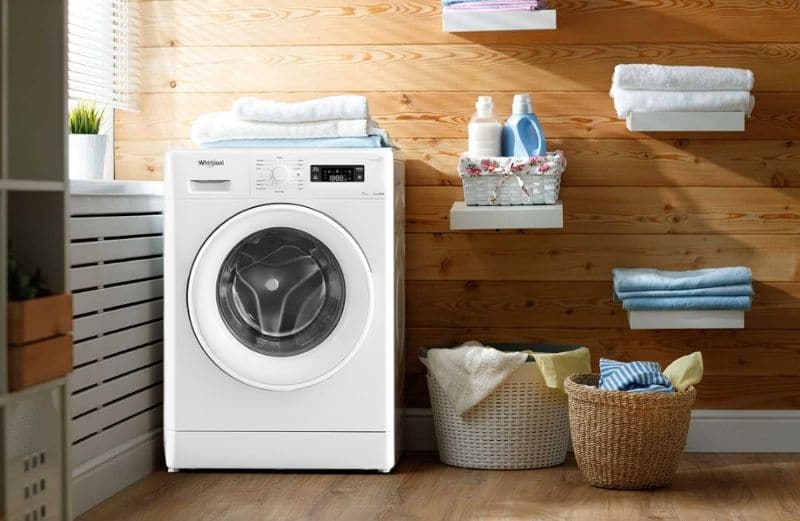
This feature is especially useful for busy individuals or families who want to save time and reduce the hassle associated with laundry. With a single unit handling both washing and drying, homeowners can start a load of laundry and return later to find their clothes fully cleaned and dried, ready to be folded or put away. This hands-off approach not only simplifies the laundry routine but also reduces the risk of forgetting wet clothes in the washer, which can lead to unpleasant odors and mildew. Energy efficiency also plays a significant role in why more homes are choosing washer-dryer combos. Many modern combination units are designed with advanced technology that uses less water and electricity compared to separate machines. Some models employ heat pump technology or condensation drying, which consumes less energy than traditional vented dryers. This can result in lower utility bills and a smaller environmental footprint, aligning with the growing consumer preference for eco-friendly appliances.
Additionally, because combo units typically use less water during washing cycles, they are well-suited for areas with water restrictions or drought concerns. Flexibility and versatility further contribute to the appeal of the beste wasdroogcombinatie. These appliances are often equipped with multiple wash and dry cycles, allowing users to handle various fabric types and laundry needs with ease. Whether it is delicate clothes, heavy bedding, or everyday garments, combo units can accommodate different washing and drying requirements in a single machine. This versatility is ideal for households that want a one-stop solution for all their laundry needs without investing in multiple appliances. Lastly, technological advancements have improved the performance and reliability of washer-dryer combo units, alleviating many concerns consumers previously had. Earlier models were criticized for longer cycle times and less effective drying, but modern units have become more efficient, faster, and better at drying clothes thoroughly. Features such as smart connectivity, where users can control and monitor laundry cycles via smartphone apps, also add to their appeal by bringing a modern touch to home laundry routines.
May 19, 2025 Home
Choose Sustainable And Eco-Friendly Home Decor Items To Beautify Consciously Today
Choosing sustainable and eco-friendly home decor items is not just a design trend—it is a conscious lifestyle choice that reflects care for the planet and future generations. With growing awareness of environmental issues, many homeowners and interior enthusiasts are now turning towards decor that not only enhances the beauty of their living spaces but also minimizes harm to nature. Eco-friendly home decor blends aesthetic appeal with ethical values, allowing individuals to create warm, stylish homes without compromising on sustainability. One of the most accessible ways to start is by opting for decor made from natural, renewable, or recycled materials. Bamboo, rattan, reclaimed wood, cork, organic cotton, and jute are excellent choices. These materials are biodegradable, often locally sourced, and have a lower carbon footprint compared to synthetic alternatives. For example, a jute rug or a bamboo lampshade can add earthy elegance to a room while supporting environmentally responsible craftsmanship. Using recycled materials, such as glass, metal, or wood salvaged from old furniture, also gives a second life to resources that might otherwise go to waste.
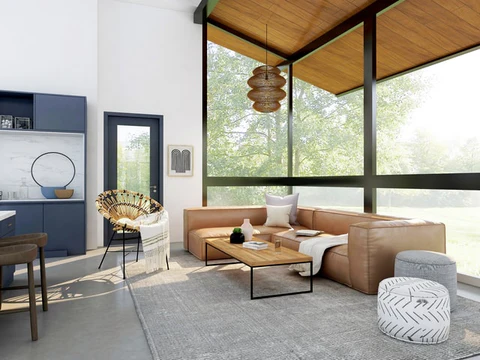
Another important aspect of sustainable decor is choosing handmade and artisanal items over mass-produced goods. Supporting local artisans and craftspeople promotes traditional techniques, reduces transportation emissions, and ensures better quality and durability. Handcrafted pottery, woven baskets, macramé wall hangings, and hand-carved wooden pieces bring character and authenticity to home interiors while fostering ethical production practices. Upcycling is another creative and eco-conscious decor strategy. Instead of discarding old furniture or decor items, consider transforming them into something new and functional. A vintage ladder can become a rustic bookshelf, glass bottles can be used as vases, and old wooden pallets can be turned into a coffee table. This not only saves money and reduces waste but also adds a personalized and meaningful touch to your space. Plants play a vital role in eco-friendly home decor as well.
Incorporating greenery into living areas with potted plants, vertical gardens, or hanging planters enhances both physical and mental well-being. Choose planters made from sustainable materials like terracotta, ceramic, or recycled metal to stay consistent with your green living goals. Lighting choices also significantly impact the sustainability of a home. Opting for energy-efficient LED bulbs and using natural light as much as possible helps reduce electricity consumption. UK home styling decor items like solar-powered lanterns or candles made from soy or beeswax instead of paraffin are both stylish and eco-friendly alternatives. Finally, consider adopting a minimalist approach to decorating. Buying less, choosing quality over quantity, and focusing on timeless designs rather than short-lived trends can lead to a more sustainable lifestyle. A mindful home is not cluttered with excessive decor but filled with meaningful pieces that tell a story, respect nature, and promote harmony. By making conscious choices in decorating, you contribute to a healthier planet while enjoying a home that is warm, inviting, and deeply personal.
Dec 07, 2024 Home
Enhance Your Morning Routine with a Modern Bathroom Mirror Design
Transforming your morning routine starts with reimagining the heart of your bathroom – the mirror. A modern bathroom mirror is more than just a functional piece it is a design statement and a technological ally. Whether you are rushing to get ready for work or preparing for a relaxing weekend, the right mirror can elevate your experience and make your daily rituals more efficient and enjoyable. Modern bathroom mirrors come with features that go beyond simple reflection. LED backlit mirrors, for instance, provide a soft, even glow that mimics natural daylight, ensuring perfect visibility for grooming, makeup application, or shaving. Unlike traditional overhead lighting, which can create unflattering shadows, these mirrors evenly distribute light across your face, helping you achieve a polished look effortlessly. Some models even allow you to adjust the brightness or warmth of the light to suit your mood or the time of day.
For tech enthusiasts, smart mirrors integrate cutting-edge technology to streamline your routine. Equipped with touch controls, anti-fog features, and even built-in Bluetooth speakers, these mirrors let you personalize your morning experience. Play your favorite playlist, catch up on news headlines, or receive weather updates all from your bathroom mirror. Some advanced options include motion-sensor lighting, eliminating the need to fumble for switches, and voice command capabilities, making your morning preparation hands-free and futuristic. The design possibilities are endless, ensuring that your mirror aligns with your bathroom’s aesthetic. Frameless bathroom mirror create a sleek, minimalist look, while geometric or irregularly shaped designs add a bold statement. For those who favor classic elegance, mirrors with ornate frames or beveled edges can bring a touch of sophistication. Beyond style, consider functional elements like built-in shelves or magnification zones, which add practicality without compromising beauty.
Installing a modern bathroom mirror can also have a profound impact on the overall ambiance of your space. Strategically placed mirrors can make smaller bathrooms feel larger by reflecting light and creating an illusion of depth. Mirrors with integrated lighting can serve as an additional light source, reducing the need for harsh overhead fixtures and creating a spa-like atmosphere. Incorporating a modern bathroom mirror into your space is an investment in convenience, style, and self-care. By blending technology with thoughtful design, these mirrors not only streamline your morning routine but also enhance your bathroom’s functionality and aesthetic appeal. Whether you opt for high-tech features or a design-forward piece, a modern mirror can turn your bathroom into a haven of efficiency and elegance, setting the tone for a productive and inspiring day ahead.
Nov 06, 2024 Home
Stress-Free Home Selling Solution Get Cash without the Hassle
Selling your home can be a daunting and stressful experience, but it does not have to be. Whether you are downsizing, relocating, or simply looking to make a change, our innovative approach streamlines the entire process, allowing you to focus on what truly matters your next chapter. Imagine a selling experience that eliminates the headaches of traditional real estate transactions. With our solution, there are no lengthy listings, extensive repairs, or waiting periods. You would not have to deal with endless showings, open houses, or the uncertainty of whether your home will sell. Instead, you can receive a fair cash offer for your home in as little as 24 hours. Our team of experts evaluates your property and provides an honest assessment based on current market conditions, ensuring that you get the best possible value without any guesswork.
One of the most significant advantages of our cash offer solution is the speed and convenience it provides. Traditional home sales can take months, but with our service, you can close in as little as seven days. This rapid turnaround allows you to move on with your life, Sell My House Fast whether that means finding a new home, investing in other opportunities, or simply enjoying newfound freedom. Additionally, we understand that every homeowner’s situation is unique. That is why our process is designed to be flexible and accommodating. Whether your home is in pristine condition or needs some work, we are prepared to make an offer.
There are no hidden fees, and you would not have to worry about the usual costs associated with selling, such as agent commissions or closing costs. We believe in transparency, so you can rest assured knowing exactly what to expect. Selling your home should not be a stressful ordeal. With our cash offer solution, you can experience a seamless transaction that prioritizes your needs and preferences. Let us handle the details while you enjoy a smooth transition to your next adventure. Contact us today to learn more about how you can get cash for your home without the hassle, and discover the freedom of a worry-free selling experience. Your stress-free home selling journey starts here.
Nov 03, 2024 Home
Upgrade Your Home with Expert Sewer Replacement Services Today
Upgrading your home with expert sewer replacement services can have a transformative impact on the long-term health and functionality of your property. Over time, sewer systems naturally degrade due to constant use, age, and external factors like shifting soil or tree root intrusion. When issues such as frequent clogs, slow drainage, or unpleasant odors arise, it is a clear indication that your sewer system needs attention. Opting for professional sewer replacement ensures that these problems are handled efficiently and effectively, minimizing disruptions to your daily life. A key benefit of expert sewer replacement services is the use of modern, durable materials and advanced techniques. Traditional sewer systems may be prone to corrosion or cracking, but newer technologies provide solutions that are more resistant to wear and environmental factors. Experts can replace outdated pipes with durable materials such as PVC or trenchless technology, which requires less invasive digging and disruption to your yard or landscaping.

This makes the replacement process faster, cleaner, and more affordable in the end, while still delivering reliable performance. Moreover, sewer replacement by professionals offers peace of mind through their experience and knowledge of local codes and regulations. Sewer systems are an essential part of your home’s infrastructure, and improperly installed or substandard repairs can lead to more severe issues, such as flooding, water damage, or even health risks due to wastewater backups. Professional technicians ensure that the work is done to the highest standard, meeting all safety and environmental requirements, and reducing the likelihood of future problems. This expertise helps to prevent costly repairs down the road and ensures that your system is set up to serve you well for many years.
Another advantage is the boost in property value that comes with having an updated, reliable sewer system. Homebuyers often prioritize homes with modern, well-maintained utilities, including an efficient sewer system. By investing in sewer replacement, you are not just protecting your current living situation but also enhancing the future value of your property. Additionally, with a properly functioning sewer system, you will experience improved water quality, reduced risk of plumbing emergencies, and better overall hygiene. Ultimately, upgrading your home with professional sewer pipe replacement in wisconsin offers significant long-term benefits that improve both your quality of life and the functionality of your home. By investing in this essential service today, you are ensuring a cleaner, safer, and more reliable home for you and your family. Whether you are dealing with recurring issues or proactively replacing an aging system, expert sewer replacement is a smart choice that delivers peace of mind, efficiency, and value.
Sep 13, 2024 Home
Senior Living Communities – Exploring Pet-Friendly Options
When considering senior living communities, the availability of pet-friendly options can be a crucial factor for many individuals. Pets often play a significant role in the lives of older adults, offering companionship, reducing feelings of loneliness, and contributing to overall emotional well-being. As such, senior living communities that welcome pets can provide an enriching environment that supports both physical and mental health. Pet-friendly senior living communities are designed to accommodate the needs of both residents and their furry friends. These communities often feature amenities such as dog parks, pet grooming stations, and walking trails, ensuring that pets have ample space to exercise and socialize. In addition, some communities offer pet care services, including pet sitting or walking, which can be especially valuable for residents who may have mobility challenges or busy schedules. The benefits of having pets in senior living communities extend beyond the obvious companionship. Research has shown that interacting with animals can lower blood pressure, reduce stress, and increase overall happiness.
 Pets can also provide a sense of purpose and routine for seniors, encouraging them to stay active and engaged. This interaction can be particularly beneficial for those dealing with health issues or the emotional strains of transitioning to a new living situation. Choosing a pet-friendly community involves considering several factors to ensure a good fit for both the resident and their pet and learn this here now https://mmliving.org/boerne/menger-springs/. Potential residents should look for communities with clear pet policies, including breed and size restrictions, as well as any additional fees or deposits associated with pet ownership. It is also essential to assess the community’s readiness to handle pet-related issues, such as potential allergies among other residents or the provision of emergency care for pets. Visiting potential pet-friendly senior living communities is a crucial step in finding the right fit. During these visits, prospective residents should observe how pets are treated within the community and interact with staff and current residents to gauge their experiences. This can provide valuable insights into how well the community supports pet ownership and whether it genuinely fosters a pet-friendly environment.
Furthermore, a pet-friendly senior living community should foster a welcoming atmosphere for pets. This includes having pet-friendly social events or activities, such as pet parades or dog training classes, which can help integrate pets into the community and strengthen social bonds among residents. By creating an inclusive environment where pets are not just tolerated but embraced, these communities can enhance the quality of life for seniors, making them feel more at home and less isolated. It is important for prospective residents to visit potential communities and observe how pets and their owners interact within the space. Conversations with current residents and staff can provide valuable insights into how pet-friendly policies are implemented and whether the community truly supports pet ownership. In summary, pet-friendly senior living communities offer numerous advantages, blending the emotional and physical benefits of pet companionship with the comforts of a supportive living environment. By considering the specific needs and preferences of both seniors and their pets, these communities can create a more vibrant, fulfilling lifestyle for their residents.