Category: Business
Jun 02, 2026 Business
Premium Bottle Opener Coins Designed For Recognition And Keepsakes
Premium bottle opener coins have become a distinctive choice for recognition programs, commemorative events, and collectible keepsakes. Combining practical functionality with exceptional craftsmanship, these unique items offer lasting value while serving as memorable symbols of appreciation and achievement.
Designed to stand out, premium bottle opener coins are often crafted with attention to detail, making them suitable for both personal and professional occasions. Their combination of utility and visual appeal ensures they remain treasured long after an event has ended.
A Unique Blend of Functionality and Style
Unlike traditional commemorative items, bottle opener coins provide a useful feature while maintaining the appearance of a premium keepsake. This practical element enhances their value and encourages long-term use.
Benefits of bottle opener coin designs include:
- Dual-purpose functionality
- Attractive and professional appearance
- Durable metal construction
- Portable and easy-to-carry design
- Long-lasting commemorative value
- Memorable presentation for recipients
These qualities make them an excellent choice for organizations, teams, clubs, and event planners seeking meaningful recognition items.
Premium Craftsmanship Creates Lasting Impressions

High-quality bottle opener coins are known for their superior craftsmanship and attention to detail. Advanced production techniques allow for impressive customization while maintaining durability and elegance.
Popular premium features often include:
- Detailed engraved artwork
- Polished and antique finishes
- Precision-cut edges
- Raised and recessed design elements
- Vibrant color enhancements
- Double-sided customization options
These features help create visually striking keepsakes that reflect the significance of the occasion they represent.
Ideal for Recognition and Appreciation
Recognition programs are most effective when recipients receive something meaningful and memorable. Premium bottle opener coins provide a tangible reminder of accomplishments, milestones, and contributions.
They are frequently used for:
- Employee recognition programs
- Team achievement awards
- Volunteer appreciation events
- Milestone celebrations
- Anniversary commemorations
- Leadership acknowledgments
The combination of quality craftsmanship and practical use enhances their perceived value and emotional significance. Interested in discovering additional customization possibilities? learn more.
Personalization Enhances Meaning
Customization transforms a bottle opener coin into a unique keepsake that tells a story. Personalized elements help capture important moments while creating a stronger connection between the recipient and the item.
Popular customization options include:
- Names and titles
- Important dates
- Inspirational messages
- Event themes
- Symbolic artwork
- Special achievement details
These personalized touches ensure that each coin becomes a one-of-a-kind reminder of a meaningful experience.
A Valuable Addition to Collections
Many people appreciate bottle opener coins not only for their functionality but also for their collectible appeal. Premium designs often become cherished additions to personal collections, preserving memories and accomplishments in a visually appealing format.
Their distinctive combination of craftsmanship, utility, and personalization makes them highly desirable keepsakes that can be displayed, shared, or used for years to come.
Conclusion
Premium bottle opener coins designed for recognition and keepsakes offer an outstanding balance of functionality, durability, and aesthetic appeal. Their practical purpose, combined with premium craftsmanship and meaningful customization, creates memorable items that celebrate achievements and special occasions. Whether used for recognition programs, commemorative events, or personal collections, these unique keepsakes provide lasting value and leave a positive impression that endures over time.
Jun 02, 2026 Business
Benefits of Employee Advocacy for Modern Businesses
Employee advocacy enhances how businesses communicate by encouraging individuals to share messages, insights, and experiences through their personal networks. This approach transforms communication into a more relatable and trust-driven experience, improving how audiences perceive and engage with shared content. The result is a stronger emotional connection and improved visibility across diverse audience groups.
Expanding Organic Reach and Visibility
Employee-driven sharing naturally increases the reach of content beyond traditional communication boundaries. Each participant brings access to unique networks, helping messages travel further and faster.
Key reach benefits include:
- Wider audience exposure through personal connections
- Increased frequency of content visibility
- Greater diversity in audience segments
- Higher chances of content being reshaped
- Improved overall message distribution
These advantages help businesses maintain a consistent presence across multiple audience circles without relying solely on centralized communication.
Building Trust and Authenticity

Trust plays a central role in modern communication, and employee advocacy strengthens credibility by delivering messages through real individuals. Audiences tend to value genuine experiences and perspectives more than direct promotional messaging.
Trust-building advantages include:
- More authentic and relatable messaging
- Stronger emotional connection with audiences
- Increased confidence in shared information
- Improved perception of transparency
- Enhanced reputation through consistent storytelling
This authenticity creates a foundation for stronger audience relationships and long-term engagement.
Boosting Employee Engagement and Participation
Employee advocacy also contributes positively to internal engagement by encouraging individuals to participate in communication efforts. When employees contribute to message sharing, they feel more connected to broader goals.
Engagement benefits include:
- Greater involvement in communication activities
- Increased sense of contribution and purpose
- Stronger alignment with shared goals
- Improved knowledge sharing culture
- Enhanced motivation to participate
This engagement leads to more active participation and stronger internal collaboration.
Improving Content Performance and Impact
Shared content often performs better when distributed through employee networks due to higher trust and relevance. Engagement levels increase as audiences interact more naturally with personal shares.
Performance improvements include:
- Higher engagement rates on shared content
- Increased interaction and discussions
- Better content visibility across networks
- More consistent message amplification
- Stronger audience responsiveness
These improvements help maximize the value of each piece of content shared.
Supporting Talent Attraction and Brand Perception
Employee advocacy positively Employee advocacy platform influences how businesses are perceived by external audiences, including potential talent and collaborators. Authentic voices help present a more human and approachable image.
Perception benefits include:
- Improved external reputation
- Stronger appeal to potential talent
- Positive representation of work culture
- Increased credibility in messaging
- Better overall audience sentiment
This contributes to building a stronger and more appealing presence.
Driving Long-Term Business Growth
The combined impact of trust, reach, engagement, and content performance supports sustainable business growth. Employee advocacy creates a continuous flow of communication that strengthens audience relationships over time. As participation increases, so does visibility and influence, helping build a stable foundation for ongoing development. This approach ensures that communication remains active, meaningful, and widely recognized, supporting long-term success and continuous improvement in overall business outcomes.
Jun 02, 2026 Business
Precision Engineering Achieves Better Results With Pneumatic Components
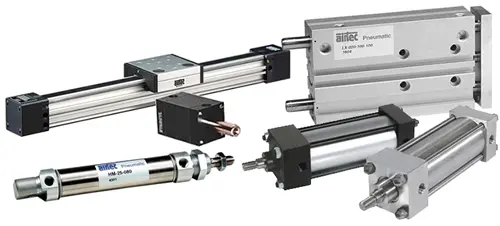
Precision engineering relies on accuracy, consistency, and dependable performance to produce outstanding results. Pneumatic components play a valuable role in supporting these goals by delivering controlled motion, efficient operation, and reliable functionality. Their ability to maintain stable performance helps engineering processes achieve higher levels of quality and productivity across a wide range of applications.
The Importance Of Precision In Engineering
Accurate operations contribute significantly to successful production outcomes. Pneumatic systems help maintain precision by providing smooth and responsive control.
Key Benefits Include:
- Consistent movement during critical operations
- Reliable force application for delicate tasks
- Improved positioning accuracy
- Enhanced operational stability
- Reduced process variation
- Better repeatability in production cycles
- Increased confidence in equipment performance
These advantages support the creation of products that meet strict quality expectations.
Reliable Performance Supports Better Outcomes
High-quality pneumatic components help maintain dependable operation throughout demanding workloads. Their durability allows systems to perform efficiently over extended periods.
Performance Advantages:
- Stable pressure management
- Smooth actuator response
- Reduced equipment interruptions
- Consistent operating efficiency
- Enhanced process reliability
- Improved workflow continuity
- Greater production confidence
Reliable operation helps engineering teams maintain productivity while achieving accurate results.
Enhanced Control For Complex Applications
Many engineering processes require precise control over movement and force. Pneumatic components provide responsive performance that supports demanding operational requirements.
Areas Of Improvement:
- Accurate motion control
- Faster response times
- Smooth operational transitions
- Better handling of sensitive processes
- Consistent cycle performance
- Improved system coordination
- Enhanced production quality
These capabilities contribute to more efficient and predictable manufacturing activities.
Supporting Productivity And Efficiency
Efficiency remains an important objective in precision engineering environments. Pneumatic solutions help streamline operations while maintaining high standards of accuracy.
Productivity Benefits:
- Faster process execution
- Reduced downtime risks
- Optimized equipment utilization
- Improved production consistency
- Better resource management
- Enhanced operational flexibility
- Increased overall output
Organizations often explore valuable industry resources, and information found through https://www.hebaiele.com/es/ can contribute to understanding modern pneumatic component applications and performance advantages.
Long-Term Value Through Dependable Components
Well-designed pneumatic systems provide lasting benefits that support continuous operational improvement. Their reliability contributes to smoother workflows and stronger production performance.
Long-Term Advantages:
- Extended equipment service life
- Consistent operational accuracy
- Reduced maintenance requirements
- Improved process stability
- Greater system dependability
- Enhanced production quality
- Sustainable performance improvements
Conclusion
Precision engineering achieves better results when supported by dependable pneumatic components. Their ability to deliver accurate control, consistent performance, and efficient operation helps create high-quality outcomes while improving productivity. With reliable pneumatic solutions integrated into engineering processes, organizations can maintain operational excellence, strengthen workflow efficiency, and achieve greater success through consistent and precise performance.
May 29, 2026 Business
Fabrication of Flexible Graphite Bipolar Plates via Flake Graphite Pre-treatment
 If you think the future of fuel cells is just about chemistry, you are missing the real bottleneck: the plate. For years, the industry has wrestled with brittle graphite that cracks under pressure or expensive metal plates that corrode under humidity. The solution is not a new material—it is a smarter way to treat an old one. The fabrication of flexible graphite bipolar plates via Flake Graphite pre-treatment is rewriting the rulebook, and it is about time.
Here is the dirty secret most manufacturers do not want to admit: untreated flake graphite is like raw lumber. It has potential, but it splinters, it leaks, and it fails under thermal cycling. The pre-treatment process changes everything. By chemically expanding and mechanically exfoliating the flake structure before compression, we unlock a material that bends without breaking, conducts electricity like a copper wire, and seals tighter than a bank vault. This is not incremental improvement; it is a leap from fragile to flexible.
Why does this matter for your bottom line? Because a flexible bipolar plate means you can drop the thickness without dropping performance. Traditional rigid graphite plates require a certain thickness just to survive assembly. With pre-treated flake graphite, you cut that thickness by nearly half. That is less material cost, lighter stacks, and higher power density. In a market where every gram and every penny counts, that is the difference between a prototype and a production run.
The pre-treatment itself is deceptively simple. We take raw flake graphite, subject it to an intercalation step that forces open the layered structure, then rapidly expand it under controlled heat. The result is a worm-like morphology that compresses into a dense, isotropic sheet with zero preferential orientation. No more weak points. No more delamination after 5,000 hours. The electrical conductivity hits 200 S/cm, and the gas permeability drops below 10⁻⁶ cm³/cm²·s. Those numbers are not just specs; they are a promise of reliability.
Let us talk about the competition. Metal plates? They need expensive coatings to survive acidic environments, and even then, corrosion is a ticking clock. Conventional graphite plates? They machine poorly, crack during thermal cycling, and require thick sections to maintain structural integrity. The flexible graphite plate from pre-treated flake eliminates all of these headaches. It is corrosion-resistant by nature, not by coating. It is formable into complex flow fields without secondary machining. And it handles the thermal shock of startup-shutdown cycles like a champ.
The real kicker is scalability. This process does not require cleanroom conditions or exotic equipment. Standard chemical baths, a thermal expansion furnace, and a hydraulic press are all you need. We have seen pilot lines go from concept to continuous production in under six months. The pre-treatment chemistry is water-based, the expansion step is energy-efficient, and the final compaction yields zero waste. If you are looking for a green manufacturing story that actually holds water, this is it.
Here is the takeaway: stop fighting with brittle plates. The fabrication of flexible graphite bipolar plates via flake graphite pre-treatment is not a lab curiosity—it is a production-ready technology that slashes cost, boosts performance, and simplifies assembly. The fuel cell industry has been waiting for a plate that bends without breaking. The wait is over.
Apr 24, 2026 Business
Environmental remediation services improve water quality and natural habitats.
Environmental remediation services play a vital role in restoring ecological balance by addressing contamination in water bodies and degraded landscapes. Through scientific methods and sustainable practices, these services help remove pollutants, improve ecosystem resilience, and support healthier environments for both wildlife and communities. As environmental challenges increase, effective remediation has become essential for protecting natural resources and ensuring long-term ecological stability.
Enhancing Water Quality Through Advanced Remediation Practices
Clean aquatic systems are essential for ecological balance and human well-being.
- Removal of harmful contaminants from rivers, lakes, and groundwater
- Restoration of natural oxygen levels supporting aquatic life
- Reduction of industrial and agricultural pollution sources
- Improved safety of drinking water supplies for communities
Advanced monitoring systems and data-driven assessments further enhance remediation efficiency by identifying contamination hotspots and enabling targeted interventions.
- Deployment of real-time water quality monitoring technologies
- Integration of sediment treatment for river restoration
- Prevention of future contamination through risk assessment
Restoring Natural Habitats and Biodiversity

Environmental remediation helps revive ecosystems that have been damaged by pollution and human activities.
- Rehabilitation of soil and wetland ecosystems
- Support for native plant and animal species recovery
- Re-establishment of balanced food chains in ecosystems
- Protection of critical wildlife habitats from contamination
These efforts also contribute to the revival of aquatic habitats, ensuring stable breeding grounds for fish and other wildlife while improving overall ecosystem productivity. Additional resources are available under learn more sections.
- Restoration of riverbank vegetation for erosion control
- Improvement of groundwater recharge systems
- Enhancement of wetland water retention capacity
Key Benefits for Ecosystems and Communities
These services deliver wide-ranging advantages by improving environmental health and supporting sustainable development goals.
- Healthier ecosystems with improved water and soil quality
- Reduced environmental risks for nearby populations
- Increased resilience against climate change impacts
- Long-term sustainability of natural resources
Communities benefit significantly from cleaner environments, improved public health outcomes, and enhanced quality of life through reduced exposure to pollutants.
- Creation of safer recreational water areas
- Support for sustainable agriculture practices
- Increased awareness of environmental conservation
Sustainable Techniques Driving Long-Term Impact
Modern remediation approaches focus on sustainability, combining technology and ecological understanding to ensure lasting environmental improvement.
- Use of eco-friendly treatment methods
- Natural filtration systems for water purification
- Bioremediation techniques utilizing natural processes
- Continuous monitoring for environmental stability
By prioritizing long-term ecological health, remediation services help create resilient environments capable of adapting to changing environmental conditions.
- Reduction of carbon footprint in restoration processes
- Promotion of circular resource management systems
- Application of advanced ecological engineering methods
Conclusion
Environmental remediation services are essential for creating cleaner water systems and thriving natural habitats. By integrating science-driven methods and sustainable practices, they ensure long-lasting ecological recovery and a healthier planet for future generations. This holistic approach strengthens ecosystem resilience, supports biodiversity recovery, and ensures that natural resources remain available for future generations through responsible environmental stewardship. Such services play a crucial role in building a cleaner and more sustainable planet.
Mar 31, 2026 Business
Maximizing Shelf Life With Correct Dog Food Bag Sizes
Choosing the right bag size for your dog’s food is more than a matter of convenience it directly affects freshness, nutrition, and overall health. Proper storage and portioning can ensure that your dog enjoys every meal at its peak quality while minimizing waste.
Why Bag Size Matters
Selecting the correct bag size can prevent exposure to air, moisture, and contaminants, which can degrade nutrients and flavor over time. Smaller bags are ideal for maintaining freshness, especially for pets with specific dietary needs or limited storage space. Larger bags, while cost-effective, require careful handling to preserve quality. Smart shopping decisions come from dog food bag size comparison, ensuring pets receive quality food without unnecessary waste or expense.
Benefits of Choosing the Right Bag Size
- Maintains Nutrient Integrity: Properly sized bags reduce the time food is exposed to air, preserving essential vitamins and minerals.
- Reduces Spoilage: Using a bag that matches your dog’s consumption rate minimizes the risk of stale or rancid kibble.
- Promotes Healthy Eating Habits: Fresh food encourages consistent appetite and enjoyment at mealtime.
- Cost Efficiency: Avoiding waste from spoiled food means every dollar spent provides maximum value.
Tips for Maximizing Shelf Life
- Rotate Stock Regularly: Even with the correct bag size, using older food first ensures nothing goes unused.
- Seal Bags Properly: Tightly reseal after each use to keep out air and moisture. Consider using airtight containers if available.
- Store in a Cool, Dry Place: Heat and humidity accelerate nutrient breakdown and can cause spoilage.
- Monitor Expiration Dates: Smaller bags allow you to finish the food before it reaches its shelf life limit.
Choosing the Right Size for Your Dog
The best bag size depends on your dog’s size, age, and dietary requirements:
- Small Dogs: Small bags prevent long-term storage that could compromise freshness.
- Medium Dogs: Bags sized for monthly consumption help balance convenience with quality.
- Large Dogs: Even for big dogs, consider multiple smaller bags rather than one giant bag to reduce exposure to air over time.
Additional Storage Tips
- Avoid Direct Sunlight: Sunlight can degrade fats and vitamins, making the food less nutritious.
- Keep Bags Off the Floor: Elevated storage prevents moisture absorption and pest contamination.
- Use Portion Control: Measure daily servings to prevent leftover food from sitting in bowls, which can reduce quality and freshness.
Encouraging a Positive Feeding Routine
By selecting the correct bag size, pet owners can foster a positive feeding routine. Fresh, nutrient-rich food promotes energy, a healthy coat, and strong immunity. Dogs are more likely to eat eagerly and maintain a healthy weight when their meals are fresh and flavorful.
Final Thoughts
Maximizing the shelf life of dog food starts with smart bag size choices. By aligning bag size with your dog’s consumption rate, storing food properly, and taking simple precautions, you ensure every meal is fresh, nutritious, and enjoyable. This not only supports your dog’s health but also brings peace of mind, knowing each bite counts toward long-term wellbeing.
Mar 30, 2026 Business
How to Diagnose a Faulty Relay Quickly
Relays are essential components in electrical and electronic systems, acting as switches that control high-power circuits using low-power signals. A malfunctioning relay can cause system failures, making quick diagnosis crucial. This guide provides simple, effective steps to identify relay issues efficiently.
Understanding Relay Function
Before diagnosing, it is important to know how a relay works:
- Coil Activation – When a small current energizes the relay coil, it creates a magnetic field.
- Contact Movement – This magnetic field moves the internal contacts to open or close the circuit.
- Circuit Control – The relay allows a low-power signal to safely control a higher-power circuit.
Knowing these basics helps pinpoint whether the fault lies in the coil or the contacts. Beginners benefit from guides on how to test a relay.
Signs of a Faulty Relay
Recognizing symptoms can save time during troubleshooting:
- No Click Sound – A properly functioning relay typically clicks when activated.
- Intermittent Operation – The device controlled by the relay works sporadically.
- Burnt Smell or Visible Damage – Overheating can damage contacts or coil insulation.
- Stuck Contacts – The relay stays in one position, preventing normal circuit operation.
Identifying these early can prevent further system damage.
Tools Needed for Quick Diagnosis
Simple tools make relay testing fast and reliable:
- Multimeter – Measures voltage, resistance, and continuity.
- 12V or 24V Power Source – Depending on the relay’s coil rating.
- Test Leads – To connect the power source and measure signals safely.
Having these ready ensures a smooth diagnostic process.
Step-by-Step Quick Relay Test
Follow these steps to efficiently check a relay:
- Visual Inspection
- Look for burn marks, corrosion, or loose terminals.
- Ensure the relay is securely mounted.
- Coil Resistance Check
- Use a multimeter to measure coil resistance.
- Compare the reading with the typical value; a very high or zero reading indicates a faulty coil.
- Activate the Coil
- Connect the coil to the appropriate voltage source.
- Listen for a click, signaling the contacts are moving.
- Continuity Test on Contacts
- With the coil energized, check if the normally open (NO) contacts close.
- Check that normally closed (NC) contacts open.
- A lack of proper continuity indicates contact failure.
- Swap or Replace
- If tests indicate a problem, replacing the relay is the fastest solution.
- Always use a relay with matching voltage and current ratings.
Tips for Efficient Troubleshooting
- Always disconnect power before testing to avoid hazards.
- Label wires before removal to simplify reinstallation.
- Keep a spare relay handy to minimize downtime.
Conclusion
Diagnosing a faulty relay does not have to be complicated. By combining visual checks, coil resistance measurements, and contact continuity tests, you can quickly identify issues and restore system functionality. With these simple steps, anyone can ensure relays operate reliably, enhancing overall electrical system performance.
Mar 06, 2026 Business
Boost Online Conversions With Trusted Plant Information Sources
In the fast-paced digital marketplace, online conversions depend on the quality and reliability of information available to potential customers. For industries dealing with complex equipment and plant systems, providing trusted plant information is crucial for building confidence and driving purchase decisions. Accurate, easy-to-access data helps prospects make informed choices, ultimately boosting engagement, leads, and conversions.
By leveraging dependable plant information sources, businesses can transform their online presence into a powerful conversion tool. Visitors who find precise specifications, performance details, and technical insights are more likely to move seamlessly through the buying journey.
Why Trusted Plant Information Matters Online
Inaccurate or incomplete data can discourage potential customers and lead to lost sales opportunities. Trusted plant information ensures clarity and transparency, making visitors feel confident in exploring products or solutions. Digital displays with POS signage plants can connect to live databases, updating plant care information automatically.
Key advantages include:
- Enhanced credibility with online audiences
- Reduced bounce rates on technical product pages
- Clear demonstration of product capabilities
- Faster decision-making by potential customers
- Stronger alignment between customer needs and solutions
- Increased engagement with interactive and detailed content
- Higher likelihood of repeat visits and referrals
Reliable information builds trust, creating a positive first impression that encourages visitors to take action.
Supporting Customers Through Informed Choices
Visitors to industrial websites often need precise specifications and operational details before committing. Trusted sources allow businesses to provide comprehensive information that guides customers through the selection process.
Benefits include:
- Clear explanation of system performance and features
- Transparent comparison between solutions
- Detailed operational and safety considerations
- Assurance of compatibility with existing systems
- Support for complex decision-making without unnecessary delays
- Increased satisfaction with the pre-purchase research experience
When customers feel informed and confident, conversion rates naturally improve.
Optimizing Digital Engagement With Reliable Data
Accessible and accurate plant information enhances every stage of the online buying journey. Websites that present data clearly reduce friction, allowing visitors to progress from research to action with confidence.
This results in:
- Quicker lead generation and inquiry submissions
- More effective product page interactions
- Improved engagement through downloadable resources or interactive tools
- Higher efficiency in sales follow-ups
- Streamlined communication between digital channels and sales teams
- Increased overall conversion metrics
By integrating trusted plant data, businesses create a seamless experience that encourages exploration and action.
Strengthening Online Brand Reputation
Offering reliable technical information not only improves conversions but also establishes a reputation for professionalism and expertise. Customers recognize brands that provide transparency and accurate details as trustworthy partners.
Positive outcomes include:
- Enhanced customer trust and loyalty
- Better online reviews and recommendations
- Increased sharing of content within industry networks
- Greater confidence in completing high-value transactions
- Stronger perception of authority in the market
Trusted plant information becomes a competitive advantage that supports both online growth and long-term customer relationships.
Driving Sustainable Growth Through Reliable Information
Providing accurate, accessible plant data empowers potential customers and simplifies the buying process. Businesses that prioritize trustworthy information sources see measurable improvements in online conversions, engagement, and customer satisfaction.
Key strategies include:
- Regularly updating technical content for accuracy
- Offering interactive and detailed specification tools
- Presenting information clearly for easy understanding
- Highlighting operational benefits and efficiency improvements
- Ensuring consistency across all digital platforms
By making reliable plant information a cornerstone of the online experience, organizations can boost conversions, enhance customer confidence, and foster lasting growth in a competitive digital marketplace.
Feb 28, 2026 Business
Why Microcement Keeps Showing Up in Good Interiors
Microcement is having a moment because it solves a very specific modern annoyance: visual clutter. Grout lines. Tile edges. That constant grid that chops a room into little squares. Microcement wipes most of that away and replaces it with one continuous skin.
And look, it’s not magic. It’s a system. But when it’s done properly, it makes a space feel calmer, bigger, and, honestly, more expensive than it has any right to.
One line that matters: seams change how you read a room.
Microcement, explained like you’re not trying to become a materials scientist
Microcement is a thin, cement-based coating applied in layers (usually with a trowel) over a prepared substrate, then sealed. Think of it as living somewhere between polished concrete and decorative plaster, but with better control and less demolition.
The part people love is the thinness. You can go over existing tile, screed, plasterboard, or concrete in many cases. That means you’re not ripping out half the house just to update a bathroom wall. If you’re after expert microcement installers in Brisbane, make sure you choose a team that understands both the material and the local climate.
Now, this won’t apply to everyone, but if your existing surface is moving, cracked, damp, or poorly bonded… microcement will not “hide” that. It’ll faithfully translate your problems into an expensive finish.
Hot take: Microcement isn’t “low maintenance” if you’re sloppy

If you’re the type to drag gritty outdoor furniture across a floor, use bleach like it’s holy water, or ignore resealing schedules, microcement will eventually look tired.
If you’re reasonably careful, it’s easy to live with.
Here’s the thing: the maintenance is mostly about protecting the sealer, not babying the cement.
What good day-to-day care looks like:
– Sweep/grit removal regularly (sand is basically sandpaper)
– Clean with pH-neutral products
– Wipe spills sooner rather than later, especially oils and acids
– Avoid abrasive pads (they’ll haze the finish)
In my experience, clients who hate microcement usually didn’t hate the material, they hated an installer who rushed prep or used a weak sealer for the lifestyle happening in that space.
Where it fits (and where it quietly doesn’t)
Microcement works across floors, walls, stairs, ceilings, vanities, even furniture wraps. The best applications share one trait: a stable base and a clear plan for water management.
Kitchens: a practical win, with one big condition
On floors and walls, microcement is brilliant in kitchens because it’s seamless. You don’t get grime trapped in grout. Cleanup is fast. It also plays nicely with underfloor heating when the system build-up and movement joints are designed properly.
Countertops are a different conversation. They can work, but only if you’re realistic about abrasion and staining. A good sealer helps; cutting directly on it without boards does not.
One more thing: if you love that “soft matte” look, don’t demand a high-gloss, bulletproof performance. Those two wants fight each other.
Bathrooms & wet rooms: yes, but don’t skip the nerdy details
Microcement in a bathroom looks incredible because it turns the whole space into one continuous envelope. Walls blend into floors. Niches don’t look like add-ons. It’s very spa, very architectural.
Technically, though, you need the full waterproofing approach underneath in wet zones. Microcement is water-resistant with sealing; it’s not a substitute for proper tanking where it’s required by good practice or local regs.
Outdoors: works… if you treat it like an exterior system
I’ve seen microcement patios look fantastic for years. I’ve also seen them fail quickly when someone used an interior-grade sealer outside (UV doesn’t negotiate).
Exterior performance comes down to:
– substrate stability and drainage
– slip resistance specification
– UV-stable sealers/topcoats
– correct detailing at edges and thresholds
If water can sit and freeze, or if the slab below moves and cracks, you’re designing on hard mode.
The aesthetic side: texture is the whole game
People talk about “microcement colour” like it’s paint. It isn’t. The magic is the combination of pigment + application technique + light.
A few texture routes I actually like (because they age decently):
– Soft trowel movement: subtle, cloudy variation, reads calm
– Stone-like micro-texture: adds grip and hides small scuffs
– Almost polished: sleek, dramatic, but shows everything
Overtexturing is tempting. Don’t. Heavy patterning can trap dirt and start looking busy, especially on floors.
One-line truth: good microcement looks effortless; getting it effortless takes effort.
Colour: stay neutral, but not dead
If you want longevity, go for tones that behave well in different lighting, warm greys, sandy beiges, muted taupes, smoked charcoals. Super-white and super-black can look amazing in photos and then punish you in real life with marks, dust, and unevenness.
Look, a microcement surface should have variation. If you demand absolute uniformity, tile or resin is usually the more honest choice.
A specific stat (because we can’t live on vibes alone)
Indoor air quality comes up a lot when people talk about “eco” finishes. Low-VOC sealers and coatings make a real difference.
For context: the U.S. EPA says VOC levels indoors can be 2 to 5 times higher than outdoors under typical conditions (source: U.S. Environmental Protection Agency, VOCs and indoor air quality guidance). Choosing low-VOC primers/sealers isn’t just marketing; it can affect how a space feels during and after installation.
(That said, “eco-friendly” depends heavily on the full system, binder type, additives, transport, longevity. Ask for product data sheets. Always.)
Durability: what it does well, what it doesn’t forgive
When installed over a properly prepared substrate with the right reinforcement and sealers, microcement holds up impressively. It’s resistant to everyday wear and moisture exposure, and small damage can often be repaired without ripping everything out.
But it’s not a miracle shield.
Microcement doesn’t love:
– structural movement or bouncing floors
– rushed curing times
– cheap sealers in heavy-use zones
– constant standing water without correct detailing
If you want “set it and forget it” in the most abusive environment imaginable, you may be happier with porcelain tile done well. Yes, I said it.
Timeline & budget (realistic, not rosy)
Microcement is fast compared to demolition-heavy finishes, but it still runs on sequencing: prep, base coats, finish coats, seal, cure. Humidity and temperature can stretch timelines more than people expect.
Budget-wise, microcement isn’t “cheap,” but it can be cost-smart because you’re often:
– avoiding tear-out and disposal
– reducing transitions between materials
– simplifying detailing for continuous surfaces
The cost swing usually comes from substrate condition and complexity: stairs, drains, niches, corners, edge trims, and custom colours are where labour stacks up.
A quick decision guide that doesn’t insult your intelligence
Microcement is a strong fit if:
– you want seamless continuity across surfaces
– your substrate is stable (or you’re willing to make it stable)
– you can follow basic care and resealing schedules
– you’re okay with subtle variation as part of the look
I’d be cautious if:
– the floor has noticeable flex
– you expect perfect uniformity like factory-made tile
– you want glossy and scratch-proof and zero maintenance (pick two, maybe)
If you treat it like a premium finish rather than a magic coating, microcement can make a space feel architectural in a way few materials manage. That’s why designers keep reaching for it.
Feb 27, 2026 Business
Quality Road Construction: the Unsexy Backbone of Urban Life
Bad roads are a tax.
You pay it in time, bent rims, late buses, ambulance delays, and the low-grade stress of a commute that never quite works.
Good road construction, on the other hand, doesn’t just “move cars.” It quietly decides whether a city feels navigable or hostile, whether a neighborhood attracts shops or gets bypassed, and whether walking to the corner store feels normal or like a stunt.
Roads change the way a city behaves
Talk to anyone who’s lived in a city mid-repaving project and they’ll tell you: road quality isn’t abstract. It’s the texture of daily life.
When surfaces are smooth, markings are legible, and intersections are designed like someone actually tried, a few things happen fast:
– buses keep schedules more easily
– delivery routes tighten up (less wasted mileage, less fuel)
– drivers make fewer sudden swerves
– pedestrians don’t have to negotiate craters at crosswalks
And the “soft” benefits become hard benefits. People walk more when the walking environment isn’t miserable. Retail streets do better when access is predictable. Parents loosen the leash a little when crossings feel defensible.
In my experience, the biggest difference between a merely functional city and a pleasant one is whether the street network feels forgiving. Good roads are forgiving—especially when delivered by teams like Elite Roads.
A quick technical detour: what “quality” actually means
Here’s the thing: “quality road” doesn’t mean “fresh blacktop.” That’s cosmetic. A road can look great and fail early if the structure underneath is wrong.
A quality urban road is a system:
Subgrade + base + surface + drainage + detailing + maintenance.
Miss one, and the whole thing ages badly.
The materials question (where projects win or lose)
If you want durability, you don’t start with aesthetics. You start with performance under stress: compressive strength, fatigue resistance, thermal movement, rutting resistance, moisture susceptibility.
That means:
– aggregates that meet gradation and abrasion requirements
– asphalt binder suited to local temperature ranges
– concrete mix design that balances strength and cracking control
– consistent supplier quality (inconsistent materials are a silent killer)
You can’t “value-engineer” physics.
Opinion: drainage is the most underrated safety feature on a road
People love to argue about lanes and signals. Meanwhile water is out there doing what it always does: getting into places it shouldn’t and breaking things apart from the inside.
If stormwater isn’t managed, roads fail early and dangerously. Water weakens subgrade, accelerates potholes, triggers freeze–thaw damage, and turns tiny cracks into structural problems. It also creates surface hazards: hydroplaning, hidden ice, splash reducing visibility.
So yes, drainage design is road safety.
Good stormwater management usually looks boring on paper: cross slopes, inlets, culverts, channels, permeable shoulders where appropriate, and a plan for extreme events. But boring is the goal. Boring means it works.
The economic upside isn’t subtle
Quality road infrastructure is one of the few public investments that can improve household life and the business climate at the same time.
Freight and logistics benefit immediately. So do service businesses that live and die by travel time reliability: tradespeople, home health workers, couriers, emergency services.
And job creation? It’s not just the crew on site.
You get direct employment (design, surveying, paving, inspection), plus second-order effects in:
– materials production and hauling
– equipment maintenance and rental
– retail and development near improved corridors
Now, this won’t apply to everyone, but in cities where roads are chronically poor, I’ve seen “simple” corridor reconstruction unlock private investment faster than most incentive programs. Developers don’t love uncertainty. Roads remove a chunk of it.
When roads are bad, the city pays twice
Once through disruption. Again through repairs.
Potholes slow traffic, sure, but the uglier cost is compounding damage: vehicles deteriorate faster, transit becomes less reliable, and crash risk climbs when drivers dodge defects or when markings vanish into patchwork.
Pedestrians and cyclists get hit hardest, even if they aren’t the ones doing the damage. Broken sidewalks, ponded curb ramps, and missing crossings don’t just inconvenience people. They exclude them.
A road network that only works for confident drivers isn’t a strong network. It’s a brittle one.
Smart tech: useful, but only if the basics are handled
I like sensors and automation. I also don’t worship them.
Where technology genuinely helps:
– embedded condition sensors that track moisture, temperature, load cycles, and subsurface movement
– adaptive signal control that responds to real-time demand rather than fixed timing plans
– construction automation (machine control grading, automated compaction logging) that reduces variability
– asset management analytics that prioritize maintenance based on risk and lifecycle cost
You want a practical stat? The U.S. Federal Highway Administration has reported that traffic signal retiming can reduce congestion by about 10% and reduce travel time by about 10% in many corridors (FHWA). That’s not magic. It’s just competent operations backed by data.
Tech doesn’t replace good design. It amplifies it.
Eco-friendly road construction isn’t a niche anymore
“Green roads” used to mean a plaque and a press release. Now it’s getting baked into specs because budgets and climate realities are forcing it.
Some approaches that actually hold up in practice:
– reclaimed asphalt pavement (RAP) and recycled aggregates (done carefully, with performance testing)
– warm-mix asphalt, which can reduce production temperatures and emissions
– low-carbon concrete mixes where concrete is appropriate
– permeable pavements in the right contexts (not everywhere, and not without maintenance plans)
– street trees and green buffers that cut heat and improve comfort (and yes, they complicate utilities… still worth it)
Look, not every “sustainable” option is automatically durable. The good projects treat sustainability as engineering, not vibes.
The safety piece: design beats signage
Smart road design isn’t mainly about flashing lights or bigger warnings. It’s geometry, visibility, speed management, and conflict reduction.
If you want safer streets, you usually end up doing some combination of:
– tighter turning radii that slow vehicles at corners
– protected crossings with shorter pedestrian exposure
– refuge islands on wider arterials
– bike infrastructure that doesn’t disappear at the scary parts
– consistent lane widths and clear markings that reduce erratic behavior
Sensors can detect pedestrians. Great. But a crosswalk that requires a person to “assert themselves” across six lanes is still a bad deal.
Community involvement: messy, necessary, and often misunderstood
Public input isn’t about letting a room of angry people design your pavement structure. It’s about surfacing local realities: the school drop-off chaos you won’t see in traffic counts, the senior center crossing that’s terrifying at dusk, the bus stop everyone uses that isn’t technically “official.”
Participatory planning also prevents a classic failure mode: building a technically correct road that the community hates and then watching it get politically crippled, underused, or retrofitted at great expense.
You don’t need consensus. You need insight.
What the future is actually asking for
Autonomous vehicles will push cities toward better markings, more consistent lane discipline, and infrastructure that communicates. But the bigger shift, in my view, is that cities are finally being forced to think in systems: roads as part of mobility networks, climate resilience, and public space.
Expect more of this:
– corridors designed for mixed modes, not just peak-hour car throughput
– materials chosen by lifecycle performance, not lowest bid theater
– embedded monitoring to schedule maintenance before failure
– designs that assume heavier storms and hotter summers
And if all that sounds expensive, remember the earlier point: bad roads are a tax. You’re already paying. The only question is whether you’re paying for performance or paying for breakdowns.