Microcement is having a moment because it solves a very specific modern annoyance: visual clutter. Grout lines. Tile edges. That constant grid that chops a room into little squares. Microcement wipes most of that away and replaces it with one continuous skin.
And look, it’s not magic. It’s a system. But when it’s done properly, it makes a space feel calmer, bigger, and, honestly, more expensive than it has any right to.
One line that matters: seams change how you read a room.
Microcement, explained like you’re not trying to become a materials scientist
Microcement is a thin, cement-based coating applied in layers (usually with a trowel) over a prepared substrate, then sealed. Think of it as living somewhere between polished concrete and decorative plaster, but with better control and less demolition.
The part people love is the thinness. You can go over existing tile, screed, plasterboard, or concrete in many cases. That means you’re not ripping out half the house just to update a bathroom wall. If you’re after expert microcement installers in Brisbane, make sure you choose a team that understands both the material and the local climate.
Now, this won’t apply to everyone, but if your existing surface is moving, cracked, damp, or poorly bonded… microcement will not “hide” that. It’ll faithfully translate your problems into an expensive finish.
Hot take: Microcement isn’t “low maintenance” if you’re sloppy
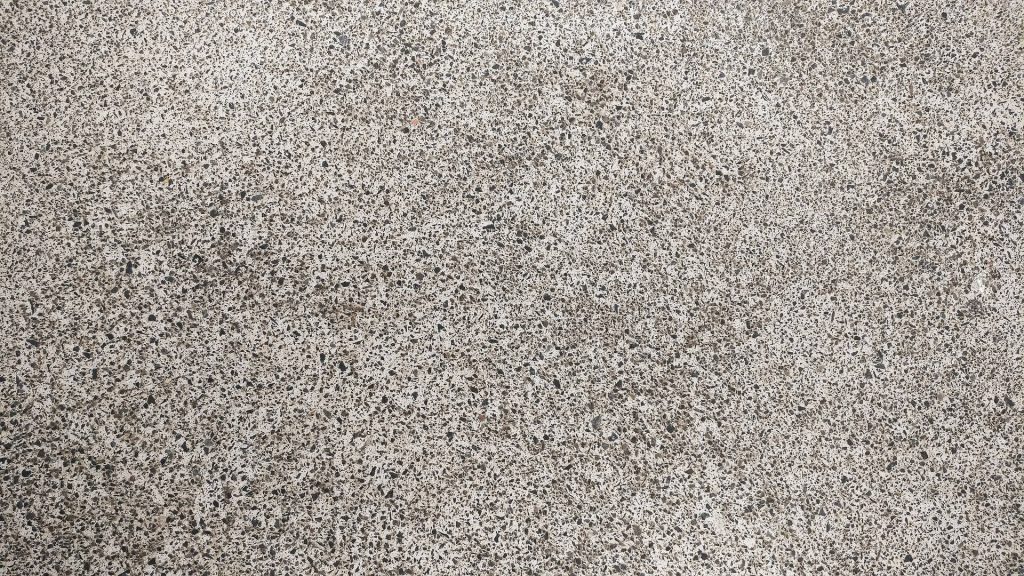
If you’re the type to drag gritty outdoor furniture across a floor, use bleach like it’s holy water, or ignore resealing schedules, microcement will eventually look tired.
If you’re reasonably careful, it’s easy to live with.
Here’s the thing: the maintenance is mostly about protecting the sealer, not babying the cement.
What good day-to-day care looks like:
– Sweep/grit removal regularly (sand is basically sandpaper)
– Clean with pH-neutral products
– Wipe spills sooner rather than later, especially oils and acids
– Avoid abrasive pads (they’ll haze the finish)
In my experience, clients who hate microcement usually didn’t hate the material, they hated an installer who rushed prep or used a weak sealer for the lifestyle happening in that space.
Where it fits (and where it quietly doesn’t)
Microcement works across floors, walls, stairs, ceilings, vanities, even furniture wraps. The best applications share one trait: a stable base and a clear plan for water management.
Kitchens: a practical win, with one big condition
On floors and walls, microcement is brilliant in kitchens because it’s seamless. You don’t get grime trapped in grout. Cleanup is fast. It also plays nicely with underfloor heating when the system build-up and movement joints are designed properly.
Countertops are a different conversation. They can work, but only if you’re realistic about abrasion and staining. A good sealer helps; cutting directly on it without boards does not.
One more thing: if you love that “soft matte” look, don’t demand a high-gloss, bulletproof performance. Those two wants fight each other.
Bathrooms & wet rooms: yes, but don’t skip the nerdy details
Microcement in a bathroom looks incredible because it turns the whole space into one continuous envelope. Walls blend into floors. Niches don’t look like add-ons. It’s very spa, very architectural.
Technically, though, you need the full waterproofing approach underneath in wet zones. Microcement is water-resistant with sealing; it’s not a substitute for proper tanking where it’s required by good practice or local regs.
Outdoors: works… if you treat it like an exterior system
I’ve seen microcement patios look fantastic for years. I’ve also seen them fail quickly when someone used an interior-grade sealer outside (UV doesn’t negotiate).
Exterior performance comes down to:
– substrate stability and drainage
– slip resistance specification
– UV-stable sealers/topcoats
– correct detailing at edges and thresholds
If water can sit and freeze, or if the slab below moves and cracks, you’re designing on hard mode.
The aesthetic side: texture is the whole game
People talk about “microcement colour” like it’s paint. It isn’t. The magic is the combination of pigment + application technique + light.
A few texture routes I actually like (because they age decently):
– Soft trowel movement: subtle, cloudy variation, reads calm
– Stone-like micro-texture: adds grip and hides small scuffs
– Almost polished: sleek, dramatic, but shows everything
Overtexturing is tempting. Don’t. Heavy patterning can trap dirt and start looking busy, especially on floors.
One-line truth: good microcement looks effortless; getting it effortless takes effort.
Colour: stay neutral, but not dead
If you want longevity, go for tones that behave well in different lighting, warm greys, sandy beiges, muted taupes, smoked charcoals. Super-white and super-black can look amazing in photos and then punish you in real life with marks, dust, and unevenness.
Look, a microcement surface should have variation. If you demand absolute uniformity, tile or resin is usually the more honest choice.
A specific stat (because we can’t live on vibes alone)
Indoor air quality comes up a lot when people talk about “eco” finishes. Low-VOC sealers and coatings make a real difference.
For context: the U.S. EPA says VOC levels indoors can be 2 to 5 times higher than outdoors under typical conditions (source: U.S. Environmental Protection Agency, VOCs and indoor air quality guidance). Choosing low-VOC primers/sealers isn’t just marketing; it can affect how a space feels during and after installation.
(That said, “eco-friendly” depends heavily on the full system, binder type, additives, transport, longevity. Ask for product data sheets. Always.)
Durability: what it does well, what it doesn’t forgive
When installed over a properly prepared substrate with the right reinforcement and sealers, microcement holds up impressively. It’s resistant to everyday wear and moisture exposure, and small damage can often be repaired without ripping everything out.
But it’s not a miracle shield.
Microcement doesn’t love:
– structural movement or bouncing floors
– rushed curing times
– cheap sealers in heavy-use zones
– constant standing water without correct detailing
If you want “set it and forget it” in the most abusive environment imaginable, you may be happier with porcelain tile done well. Yes, I said it.
Timeline & budget (realistic, not rosy)
Microcement is fast compared to demolition-heavy finishes, but it still runs on sequencing: prep, base coats, finish coats, seal, cure. Humidity and temperature can stretch timelines more than people expect.
Budget-wise, microcement isn’t “cheap,” but it can be cost-smart because you’re often:
– avoiding tear-out and disposal
– reducing transitions between materials
– simplifying detailing for continuous surfaces
The cost swing usually comes from substrate condition and complexity: stairs, drains, niches, corners, edge trims, and custom colours are where labour stacks up.
A quick decision guide that doesn’t insult your intelligence
Microcement is a strong fit if:
– you want seamless continuity across surfaces
– your substrate is stable (or you’re willing to make it stable)
– you can follow basic care and resealing schedules
– you’re okay with subtle variation as part of the look
I’d be cautious if:
– the floor has noticeable flex
– you expect perfect uniformity like factory-made tile
– you want glossy and scratch-proof and zero maintenance (pick two, maybe)
If you treat it like a premium finish rather than a magic coating, microcement can make a space feel architectural in a way few materials manage. That’s why designers keep reaching for it.