Home builders play a vital role in shaping a greener future by creating sustainable homes that use eco-friendly construction practices. With growing awareness of environmental conservation, modern housing design focuses on reducing carbon footprints, improving energy efficiency, and enhancing long-term livability. Sustainable construction is not only beneficial for the environment but also offers healthier and more cost-effective living spaces for homeowners. These practices also support responsible urban development and encourage long-term sustainability in growing communities.
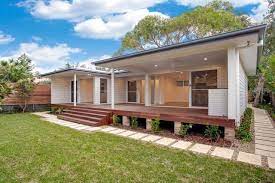
Eco-Friendly Design Principles
Sustainable home design begins with careful planning and responsible material selection. Builders prioritize natural lighting, ventilation, and energy-efficient layouts that reduce dependency on artificial systems. The integration of green architecture ensures homes remain comfortable while minimizing environmental impact. This approach ensures long-lasting performance while maintaining harmony between built spaces and natural surroundings. Local housing expands through home builder Gippsland expertise.
- Use of renewable and recycled building materials
- Maximizing natural light and airflow
- Energy-efficient window and insulation systems
- Water-saving plumbing and rainwater harvesting systems
- Smart space planning for reduced energy consumption
Sustainable Construction Practices
During construction, eco-friendly methods help reduce waste and preserve natural resources. Builders focus on efficient project execution while ensuring minimal environmental disruption. Advanced techniques and modern tools contribute to cleaner and safer construction sites. Such practices also improve worker safety and reduce the ecological footprint of construction activities.
- Reduction of construction waste through recycling
- Low-emission construction equipment usage
- Sustainable sourcing of raw materials
- Proper site management to protect surrounding ecosystems
- Use of non-toxic and environmentally safe materials
Benefits of Green Homes
Eco-friendly homes offer long-term advantages that go beyond environmental protection. They provide healthier indoor environments, lower utility costs, and increased property value. Sustainable housing also contributes to a better quality of life and long-lasting structural durability. They also promote sustainable living habits that benefit both individuals and future generations significantly.
- Lower energy and water bills
- Improved indoor air quality
- Reduced environmental impact
- Enhanced comfort and well-being
- Long-term durability and value appreciation
Future of Sustainable Construction
Future of sustainable construction is driven by innovation, smart technology, and increased environmental awareness. Home builders are expected to adopt advanced eco-friendly materials and intelligent energy systems that further reduce environmental impact. With continuous research and development, housing design will become more efficient, resilient, and aligned with global sustainability goals for generations to come.
- Adoption of smart energy management systems
- Use of advanced recyclable construction materials
- Expansion of net-zero energy home designs
- Integration of AI-based building efficiency tools
Conclusion
In conclusion, home builders adopting sustainable and eco-friendly construction practices are transforming the housing industry. Their commitment to environmental responsibility ensures that future homes are energy-efficient, comfortable, and environmentally conscious. As demand for green living continues to grow, sustainable construction will remain a key factor in shaping better communities and a healthier planet. This shift reflects a global movement toward responsible construction that prioritizes environmental care and improved quality of life across the world.