Environmental remediation services play a vital role in restoring ecological balance by addressing contamination in water bodies and degraded landscapes. Through scientific methods and sustainable practices, these services help remove pollutants, improve ecosystem resilience, and support healthier environments for both wildlife and communities. As environmental challenges increase, effective remediation has become essential for protecting natural resources and ensuring long-term ecological stability.
Enhancing Water Quality Through Advanced Remediation Practices
Clean aquatic systems are essential for ecological balance and human well-being.
- Removal of harmful contaminants from rivers, lakes, and groundwater
- Restoration of natural oxygen levels supporting aquatic life
- Reduction of industrial and agricultural pollution sources
- Improved safety of drinking water supplies for communities
Advanced monitoring systems and data-driven assessments further enhance remediation efficiency by identifying contamination hotspots and enabling targeted interventions.
- Deployment of real-time water quality monitoring technologies
- Integration of sediment treatment for river restoration
- Prevention of future contamination through risk assessment
Restoring Natural Habitats and Biodiversity
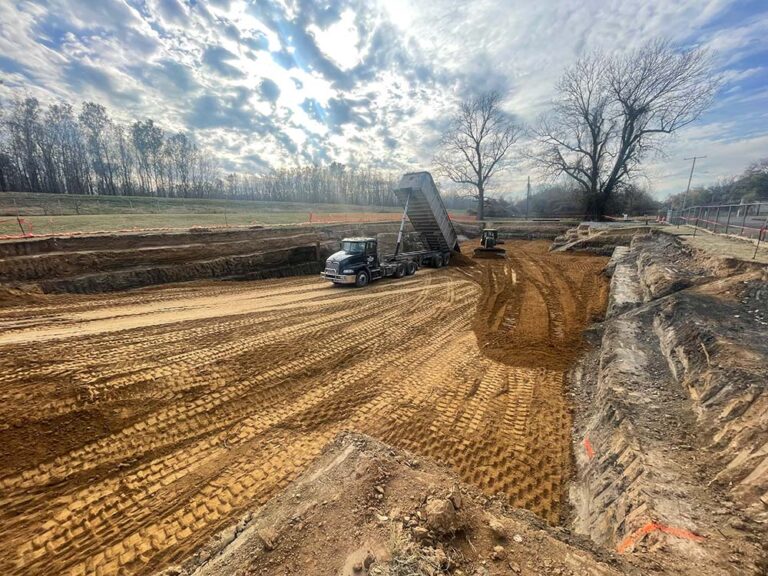
Environmental remediation helps revive ecosystems that have been damaged by pollution and human activities.
- Rehabilitation of soil and wetland ecosystems
- Support for native plant and animal species recovery
- Re-establishment of balanced food chains in ecosystems
- Protection of critical wildlife habitats from contamination
These efforts also contribute to the revival of aquatic habitats, ensuring stable breeding grounds for fish and other wildlife while improving overall ecosystem productivity. Additional resources are available under learn more sections.
- Restoration of riverbank vegetation for erosion control
- Improvement of groundwater recharge systems
- Enhancement of wetland water retention capacity
Key Benefits for Ecosystems and Communities
These services deliver wide-ranging advantages by improving environmental health and supporting sustainable development goals.
- Healthier ecosystems with improved water and soil quality
- Reduced environmental risks for nearby populations
- Increased resilience against climate change impacts
- Long-term sustainability of natural resources
Communities benefit significantly from cleaner environments, improved public health outcomes, and enhanced quality of life through reduced exposure to pollutants.
- Creation of safer recreational water areas
- Support for sustainable agriculture practices
- Increased awareness of environmental conservation
Sustainable Techniques Driving Long-Term Impact
Modern remediation approaches focus on sustainability, combining technology and ecological understanding to ensure lasting environmental improvement.
- Use of eco-friendly treatment methods
- Natural filtration systems for water purification
- Bioremediation techniques utilizing natural processes
- Continuous monitoring for environmental stability
By prioritizing long-term ecological health, remediation services help create resilient environments capable of adapting to changing environmental conditions.
- Reduction of carbon footprint in restoration processes
- Promotion of circular resource management systems
- Application of advanced ecological engineering methods
Conclusion
Environmental remediation services are essential for creating cleaner water systems and thriving natural habitats. By integrating science-driven methods and sustainable practices, they ensure long-lasting ecological recovery and a healthier planet for future generations. This holistic approach strengthens ecosystem resilience, supports biodiversity recovery, and ensures that natural resources remain available for future generations through responsible environmental stewardship. Such services play a crucial role in building a cleaner and more sustainable planet.