Let’s walk through how a little spark in LA turned into a wildfire crisis—and how people, agencies, and communities responded every step of the way. We’ll break it down with timelines, quick facts, and real talk about what worked and what didn’t.
What Started the 2025 LA Wildfires?
So, how did the 2025 wildfire season kick off in LA? It wasn’t just one thing. Here’s what we found:
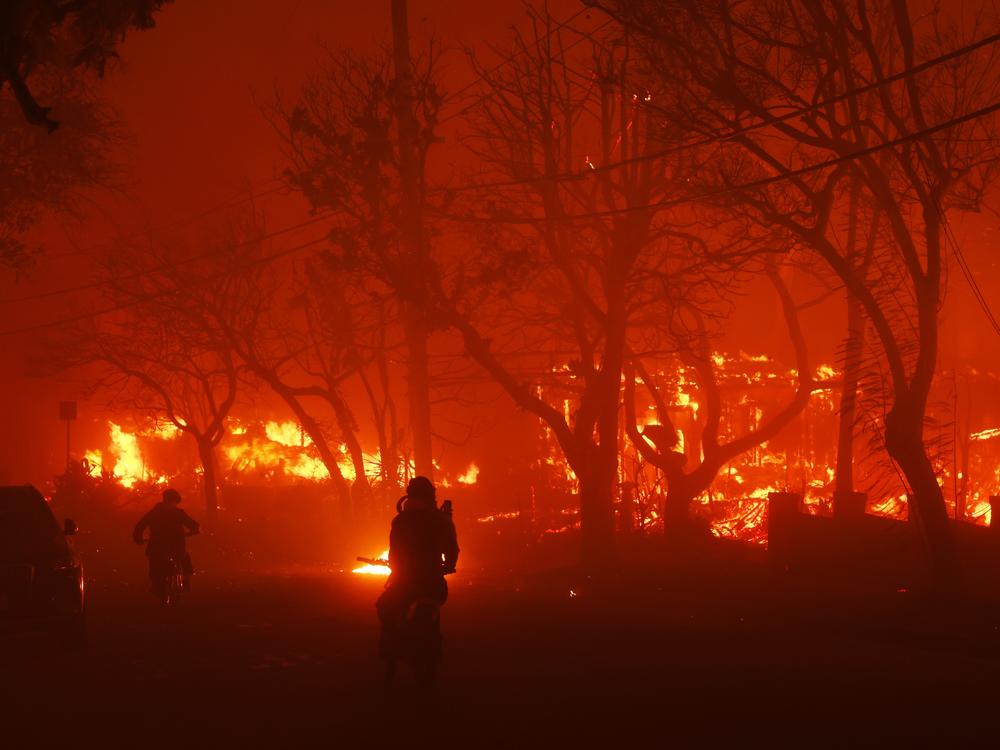
The Usual Suspects:
– Outdoor activities: Backyard BBQs, campfires, and fireworks gone wrong.
– Equipment fails: Think power lines, old transformers, and machinery sparking up.
– Negligence: Tossed cigarettes, hot ashes dumped carelessly.
– Weather: Crazy-dry brush and those infamous Santa Ana winds.
Hot Zones:
Using maps and weather data, we noticed the riskiest areas were where dry hills meet wind corridors—basically, a recipe for disaster.
Bottom line:
It’s not about blaming one cause. It’s about a web of risks that line up just right (or wrong). If you’d like to learn more about wildfire recovery, there are resources available to help you prepare and respond effectively.
The First Response: Evacuations, Alerts, and Containment
Once those first sparks hit, it was go-time for emergency crews.
What Happened First?
– Evacuation orders: Authorities wasted no time. They set up checkpoints and pre-cleared escape routes.
– Layered alerts: Messages hit phones, TVs, and radios—nobody left in the dark.
– Shelters: Schools, gyms, churches—any big, safe space—opened doors fast, with extra beds and medical care on standby.
Quick Response Moves
– Fire crews built containment lines, using drones and ground teams to hit hotspots.
– Data tracked everything: How many people evacuated? How fast? Were shelters filling up too quickly?
How the Weather Made Everything Worse
If you’ve lived in LA, you know the Santa Ana winds are no joke. During this fire, they cranked things up to eleven.
What Changed?
– Wind speeds: 25–40 mph, gusts over 60 mph in canyons.
– Humidity: Plummeted, making everything even drier.
– Fire behavior: Embers flew ahead, starting new spot fires and making the blaze unpredictable.
Result:
Even areas that seemed safe found themselves under threat, and fire crews had to stay on their toes (and sometimes on the move).
Escalation and Firefighting Milestones
The fire’s story isn’t just about what went wrong—it’s about big moments where things turned.
Key Turning Points:
– Mutual aid: Neighboring counties sent in extra help.
– Air support: Helicopters and planes started dumping water and retardant.
– Containment lines: Multiple perimeters finally held, and “mop-up” teams started cooling hot spots.
– Command structure: Local teams got more authority, but everyone stayed on the same page with centralized updates.
– Communication: Daily briefings kept everyone in the loop, from firefighters to residents.
Community Impact: How People Coped in Real Time
Let’s talk about what it was actually like for people on the ground.
Evacuation Timelines
– Fast alerts: People got warnings with clear steps: where to go, what to bring, and which roads were open.
– Unified command: Evacuation routes and shelters coordinated so there was little gridlock.
– Transit: Local buses and shuttles pitched in to get people out safely.
Sheltering: Did We Have Enough Space?
– Regional shelters: Within 15 miles for most affected areas.
– Pop-up shelters: Gyms, community centers, and even fairgrounds added capacity—about 20% more beds in just two days.
– Special needs: Intake prioritized the elderly, those with pets, and anyone needing medical help.
Did Alerts Actually Help?
– Yes! Real-time notifications meant people moved fast—and knew exactly where to go.
– Shelter info: Alerts included shelter locations, pet policies, and transit options.
– Fewer mix-ups: One consistent message across all agencies cut down on confusion.
Interagency Coordination: Making the Machine Run
When you have a crisis this big, teamwork is everything.
How Agencies Worked Together:
– Shared radio channels: No time lost to miscommunication.
– Real-time data: Weather, fire maps, and drone feeds kept everyone updated.
– Resource sharing: Equipment, vehicles, and staff moved wherever needed, fast.
– Clear roles: Everyone knew their job, so there was less overlap and fewer gaps.
Why It Mattered:
This coordination meant faster containment, safer evacuations, and better support for evacuees.
What Did We Learn? Building Resilience for Next Time
Looking back, a few big lessons stand out:
What Worked:
– Quick detection and action: Early warnings saved lives and property.
– Adaptive response: Agencies shifted plans as the fire changed—no rigid thinking.
– Data-driven moves: Real-time info meant smarter decisions.
What Needs Work:
– Even more shelter capacity: Some places got crowded fast.
– Keep practicing: Drills, cross-training, and tech upgrades are key for future fires.
– Stay flexible: Static plans leave gaps. The best responses were nimble and ready for anything.
In a Nutshell
The 2025 LA wildfire was a brutal test—but it showed how preparation, teamwork, and clear communication can make a difference. The lessons learned are already shaping new plans, better alerts, and smarter prevention. With climate risks rising, that’s the resilience LA will need for whatever comes next.